
Car title loan scams target people with poor credit, promising quick cash but often involving high fees, increasing interest rates, and difficult repayment terms that trap borrowers in debt, similar to pawn schemes. Stay alert for red flags like inspections, aggressive sales, vague terms, and immediate title transfer.
Car title loan scams target vulnerable borrowers with promises of quick cash. These schemes, preying on low credit individuals, offer urgent funding in exchange for vehicle titles—a dangerous trap for those already facing financial strain. Understanding these scams and their tactics is crucial to protect yourself from predatory lending practices. This guide breaks down how car title loan scammers operate, identifies red flags, and provides strategies to avoid and report these fraudulent activities.
- Understanding Car Title Loan Scams: Preying on Weaknesses
- Targeting Low Credit Borrowers: Strategies and Red Flags
- Protecting Yourself: Avoiding and Reporting Auto Title Scams
Understanding Car Title Loan Scams: Preying on Weaknesses

Car title loan scams target individuals with low credit scores or poor financial history who are desperate for quick cash. These fraudulent schemes prey on the weaknesses of borrowers who may feel trapped and unwilling to seek alternative, safer lending options. Scammers often lure victims in with promises of immediate approval, no credit check, and fast cash, knowing that those in dire financial situations might not pause to consider the risks.
Once enticed, borrowers are pressured into signing over their vehicle’s title as collateral for a high-interest loan. They may also be led to believe they can recover their car after repaying the loan, but many find themselves trapped in cycles of debt due to excessive fees and ever-increasing interest rates. This cycle is reminiscent of a pawn scheme, where borrowers are unable to break free from the scammer’s grasp without significant financial hardship.
Targeting Low Credit Borrowers: Strategies and Red Flags
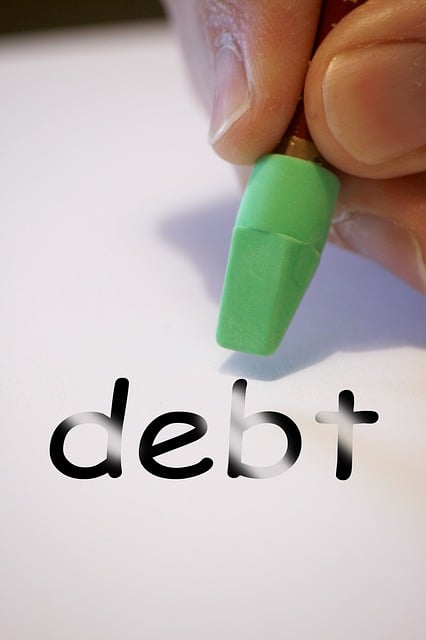
Car title loan scams often zero in on individuals with low credit scores or a lack of traditional banking access, seeking to provide them with quick funding. These lenders target borrowers who may feel desperate for cash and are less likely to scrutinize loan terms. They use enticing promises of approval, fast processing times, and minimal loan requirements as bait.
Red flags that indicate a potential scam include demands for a thorough vehicle inspection as a condition for lending, aggressive sales tactics, and vague or misleading information about interest rates and repayment terms. Lenders may also pressure borrowers to sign over their car title immediately without giving them adequate time to understand the conditions of the loan. Such practices often trap borrowers in cycles of debt, making it harder for them to regain financial stability.
Protecting Yourself: Avoiding and Reporting Auto Title Scams

Protecting yourself from car title loan scams involves being vigilant and knowledgeable about the lending process. Always research lenders thoroughly before applying for any type of loan, including title pawn or semi truck loans. Check their legitimacy, customer reviews, and the terms of the loan agreement. Be wary of lenders that promise quick cash with little to no credit check, as this is a common tactic used in scams.
If you suspect you’ve been targeted by a car title scam, report it immediately to local law enforcement and relevant consumer protection agencies. Document all interactions with the scammers, including any agreements or paperwork they’ve provided. By taking proactive measures and staying informed, individuals can protect their financial well-being and avoid becoming victims of these deceptive practices, ensuring they receive legitimate financial assistance when needed.
Car title loan scams target vulnerable individuals with low credit ratings, preying on their desperate need for quick cash. By understanding the common strategies used by these scam artists, recognizing red flags, and adopting preventative measures, borrowers can protect themselves from falling victim to these deceptive practices. Staying informed and reporting suspicious activities are key to disrupting car title loan scams and fostering a safer financial environment.